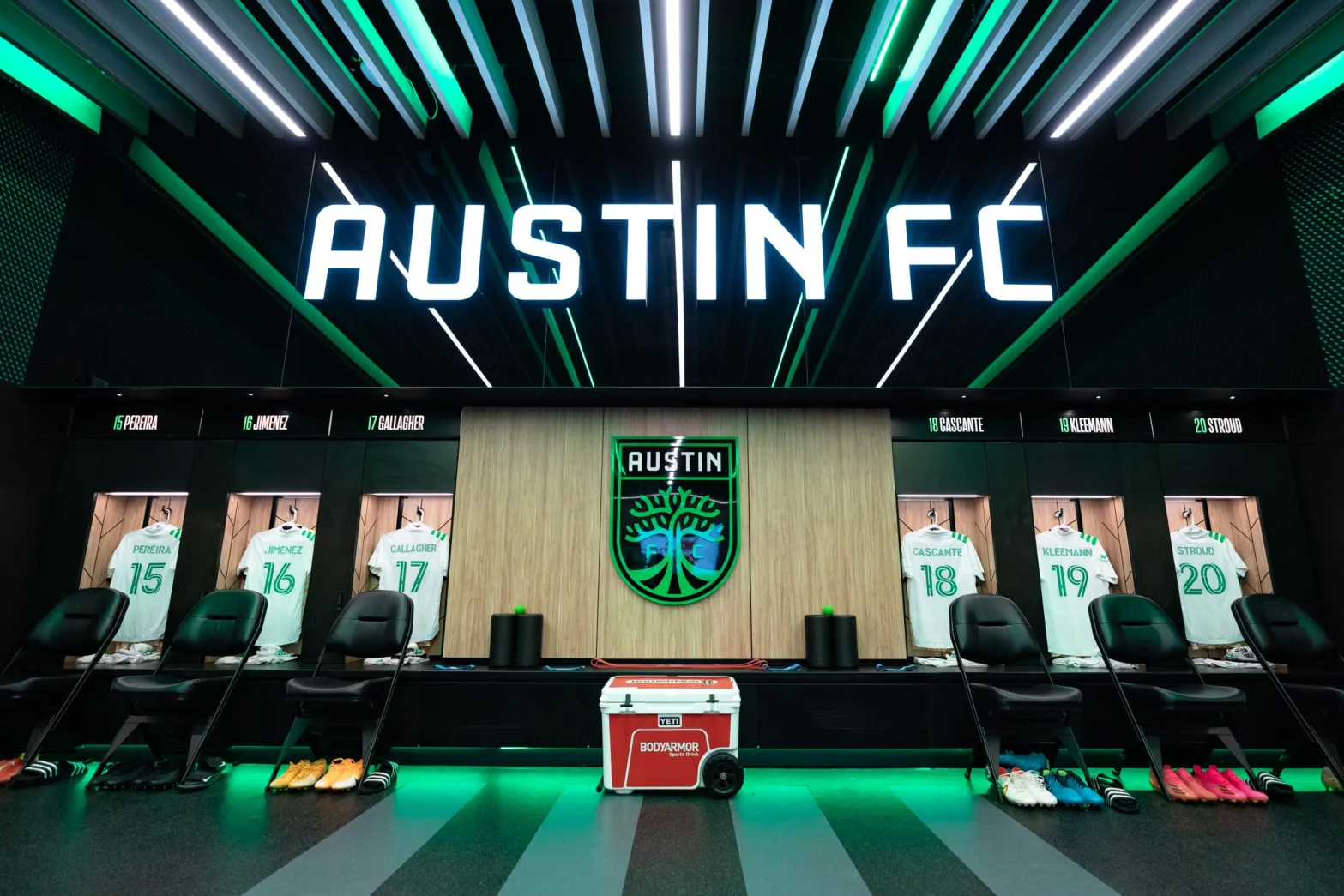
Austin FC has rapidly emerged as a prominent force in Major League Soccer (MLS), captivating fans and sports enthusiasts alike with its vibrant culture, passionate supporters, and competitive spirit. Known as the Lone Star State’s premier soccer team, Austin FC embodies the essence of Texas pride and modern athletic excellence. Whether you are a seasoned soccer aficionado or new to the sport, understanding the origins, development, and future trajectory of Austin FC offers an enriching perspective into this dynamic club.
This comprehensive guide unpacks everything you need to know about Austin FC—from its roots and operational philosophy to key players, community involvement, and tactical strategies. Dive deep into the history, analyze its season performances, and explore what makes this team a unique emblem of Texas sports culture.
The History and Foundation of Austin FC
The story of Austin FC began with a vision to bring top-tier professional soccer to the heart of Texas. This section explores how the club was founded, the initial challenges faced, and the milestones that marked its journey from conception to becoming an MLS franchise.
Understanding the origins of Austin FC reveals much about the city’s sporting ambitions and community spirit. It also highlights the strategic decisions made during its establishment, setting the foundation for its future growth and success.
The Birth of a Dream: How Austin Became an MLS City
Austin’s passion for soccer predates the club’s inception, with a thriving youth scene and enthusiastic local leagues. Recognizing the potential market and the city’s expanding population, stakeholders envisioned establishing a professional team that could unify and energize the community.
The push for an MLS franchise gained momentum through concerted efforts by city officials, investors, and soccer advocates. The bid process involved extensive planning, community outreach, and negotiations with league officials. Austin’s vibrant cultural identity, coupled with its burgeoning tech industry and diverse population, made it an attractive candidate for MLS expansion.
In 2018, MLS officially announced Austin FC as part of its expansion plan, marking a significant milestone. The franchise was awarded to a group led by influential investors, who committed resources to develop a state-of-the-art stadium and cultivating local talent. This moment not only elevated Austin’s profile in professional sports but also ignited hope among residents eager to see their city represented on the national stage.
Building the Team: Key Figures and Early Challenges
Forming a competitive squad required assembling a mix of seasoned international players, promising local talents, and strategic signings. The club’s management faced hurdles such as attracting high-caliber athletes amidst stiff competition from other clubs, securing financial backing, and establishing a coherent team culture.
Early recruitment focused on bolstering the roster with experienced veterans capable of providing leadership and stability. Simultaneously, scouting efforts targeted emerging talent within Texas and abroad, seeking players eager to make an impact both on and off the field.
Despite initial hurdles—including building team chemistry and navigating logistical issues—the club’s front office remained resolute. They emphasized fostering a strong community connection, aligning the team’s values with Austin’s unique identity. This approach laid the groundwork for a loyal fanbase and a resilient team ethos that continues to drive Austin FC forward.
First Seasons and Growing Pains
Austin FC’s debut season was filled with anticipation and learning curves. As a newly formed franchise, the team faced typical growing pains, adjusting to MLS’s competitive level and the intricacies of managing a professional sports operation.
Match performances showcased flashes of brilliance but also revealed areas needing improvement, particularly in defense and consistency. The coaching staff prioritized player development, tactical flexibility, and fostering a positive locker room environment.
Fan support quickly became evident, with sell-out crowds energizing the players and creating a formidable home advantage at Q2 Stadium. Over time, the team refined its playing style, emphasizing possession-based soccer combined with swift counterattacks aligned with modern MLS trends.
The evolution of Austin FC’s early years exemplifies resilience and adaptability. The club’s willingness to learn from setbacks and invest in youth development signals a long-term vision rooted in sustainable growth and community engagement.
The Current Squad and Key Players of Austin FC
Having laid the historical foundation, it’s essential to understand the present composition of Austin FC. The club boasts a blend of experienced internationals and talented domestic players whose dynamics shape the team’s tactical approach and overall performance.
In this section, we examine the core squad members, their roles, strengths, and contributions. Analyzing individual skills and team chemistry illuminates why Austin FC stands out in the MLS landscape.
Leading Goal Scorers and Offensive Threats
Scoring prowess is vital for any successful team, and Austin FC’s attack is spearheaded by a combination of clinical finishers and creative playmakers. The top goal scorers have demonstrated consistency and flair, often turning the tide of matches with decisive strikes.
One notable player is Sebastian Driussi, whose technical ability and vision make him a constant threat in the final third. His goal-scoring exploits and assist record place him at the heart of Austin’s offensive strategies. Complementing him is Cecilio Domínguez, whose pace and dribbling skills stretch defenses and create scoring opportunities.
The team’s tactical setup encourages overlapping runs from full-backs and dynamic movement from midfielders, maximizing offensive output. The collective effort and mutual understanding among attackers foster a lively, unpredictable attacking style that excites fans.
The Defensive Pillars and Resilience
Defense often determines a team’s competitive edge, especially in tight matches. Austin FC’s defensive lineup has seen periods of solid organization, complemented by individual brilliance from key defenders.
Alex Ring, as captain and central midfielder, exemplifies leadership and defensive discipline. His ability to break up opposition plays and initiate attacks underscores his importance. Alongside him, Jhohan Romana and Julio Cascante provide stability at the back, combining aerial strength and tactical awareness.
The team emphasizes pressing higher up the pitch to regain possession quickly, reducing the opponent’s scoring opportunities. Defensive coordination remains a focus for coaching staff, aiming to minimize lapses and maintain consistency across games.
Midfield Dynamics and Playmaking
The midfield acts as the engine room for Austin FC, linking defense and attack seamlessly. Creative midfielders orchestrate play, dictate tempo, and set the rhythm for the team’s forward advances.
Rodrigo Schlegel offers versatility, excelling in both defensive duties and initiating offensive moves. Meanwhile, Ethan Finlay contributes experience and crossing ability, providing width and creativity.
The tactical philosophy involves maintaining possession and exploiting spaces through intelligent passing. Developing young midfield talents has been pivotal in ensuring a sustainable and adaptable squad.
Data Table: Key Player Statistics (Sample)
| Player | Goals | Assists | Pass Completion % | Tackles | Key Passes per Game |
|---|---|---|---|---|---|
| Sebastian Driussi | 10 | 5 | 85% | 20 | 3.8 |
| Cecilio Domínguez | 8 | 6 | 81% | 18 | 2.9 |
| Alex Ring | 2 | 4 | 88% | 25 | 1.5 |
| Rodrigo Schlegel | 3 | 2 | 83% | 22 | 2.7 |
This table encapsulates the contributions of key players, offering insights into their impact on the team’s overall performance.
Community Engagement and Fan Culture
One of Austin FC’s defining features is its unwavering connection with the local community. The club has embraced its role beyond the field, fostering a sense of belonging and shared identity among supporters.
This section delves into fan traditions, community initiatives, and the cultural significance of the team within Austin’s social fabric.
The Supporters’ Groups and Matchday Atmosphere
Austin FC’s supporter groups, notably Los Verdes, organize chants, banners, and rituals that electrify the Q2 Stadium every matchday. Their passionate displays contribute to an intimidating environment for visiting teams and serve as a rallying point for local pride.
The atmosphere created by these groups fosters camaraderie and enhances the spectator experience, transforming each game into a celebration of Austin’s diverse culture and sporting spirit.
Outreach Programs and Youth Development
The club actively invests in community outreach, running programs aimed at promoting soccer among youth, supporting local charities, and increasing access to sports facilities. These initiatives build lifelong fans and nurture future talents.
Youth academies and partnership with local schools serve as pipelines for developing homegrown players, aligning with Austin FC’s long-term sustainability goals. Such efforts underscore the team’s commitment to fostering inclusivity and community upliftment.
Cultural Events and Fan Engagement
Beyond the matches, Austin FC hosts various events—concerts, festivals, and charity drives—that strengthen ties between the club and its supporters. Social media campaigns and interactive platforms enable fans to participate actively and share their passion.
By integrating sports with local culture, Austin FC has established itself as more than just a team; it’s a symbol of community resilience and unity.
Tactical Strategies and Playing Style
Understanding Austin FC’s tactical approach sheds light on their successes and avenues for improvement. The club employs a flexible, possession-oriented style rooted in modern MLS trends.
This section analyzes their formations, pressing strategies, and game adaptability, alongside insights into coaching philosophies shaping their approach.
Formation Choices and Flexibility
Austin FC predominantly operates with a 4-2-3-1 formation, balancing defensive solidity with attacking options. This setup allows for fluid transitions between defensive and offensive phases.
The team adapts to opponents’ styles by shifting to variations like a 4-3-3 or 3-5-2 when necessary, showcasing tactical versatility. Flexibility enables them to exploit space, press effectively, and respond dynamically to in-game situations.
Pressing and Defensive Transition
A hallmark of Austin FC’s strategy is high pressing, aimed at regaining possession quickly and disrupting opponents’ buildup play. This aggressive approach requires disciplined positional awareness and coordinated teamwork.
Transitioning swiftly from defense to attack upon winning the ball creates scoring opportunities and keeps opponents under pressure. The team’s pressing intensity varies based on match context, showcasing strategic nuance.
Possession-Based Play and Build-Up
Maintaining control of the ball is central to Austin FC’s identity. The team emphasizes short, precise passes, building from the back to draw opponents out of position.
Midfielders play a crucial role in dictating tempo, with playmakers able to switch flanks or thread through balls. This approach demands technical proficiency and spatial awareness, which the squad continually hones.
Future Tactical Trends and Development
Looking ahead, Austin FC aims to incorporate advanced analytics, tactical innovations, and player versatility to stay competitive. Embracing sports science and data-driven decision-making promises ongoing improvement.
The coaching staff’s openness to experimentation and continuous learning positions Austin FC as an evolving team capable of adapting to the ever-changing landscape of MLS and international soccer standards.
## Conclusion
Austin FC exemplifies a modern, community-centered soccer club rooted in Texas pride and driven by strategic ambition. From its founding story and squad development to passionate fan engagement and tactical ingenuity, the team embodies resilience, innovation, and cultural integration. As it continues to grow, Austin FC’s dedication to excellence and community will undoubtedly secure its place among MLS’s most influential and beloved franchises. Fans and newcomers alike can look forward to witnessing a compelling chapter in Texas soccer history unfold, fueled by passion, skill, and an unwavering commitment to the beautiful game.
Community Engagement and Fan Culture
One of Austin FC’s defining features is its unwavering connection with the local community. The club has embraced its role beyond the field, fostering a sense of belonging and shared identity among supporters.
This section delves into fan traditions, community initiatives, and the cultural significance of the team within Austin’s social fabric.
The Supporters’ Groups and Matchday Atmosphere
Austin FC’s supporter groups, notably Los Verdes, organize chants, banners, and rituals that electrify the Q2 Stadium every matchday. Their passionate displays contribute to an intimidating environment for visiting teams and serve as a rallying point for local pride.
The atmosphere created by these groups fosters camaraderie and enhances the spectator experience, transforming each game into a celebration of Austin’s diverse culture and sporting spirit.
The energy at Q2 Stadium is palpable, with fans donning green and black jerseys, waving flags, and chanting in unison. This collective fervor not only boosts player morale but also elevates the overall matchday ambiance, making it more than just a game; it becomes a communal event where everyone shares a common love for soccer and their city.
The rituals established by Los Verdes, such as the “La Mara” chant or pre-game tailgate parties, unite the community under a shared identity. These customs have become integral to Austin FC’s brand, creating a deeper emotional connection between fans and players. It’s not uncommon to see generations of families passing down their love for the team, reinforcing the notion that Austin FC is a cornerstone of their cultural identity.
Moreover, these supporter groups often engage in charitable activities, showcasing how sports can transcend entertainment and impact lives positively. Whether organizing food drives or participating in local clean-up efforts, their influence extends well beyond the stadium, further solidifying their status as vital community partners.
Outreach Programs and Youth Development
The club actively invests in community outreach, running programs aimed at promoting soccer among youth, supporting local charities, and increasing access to sports facilities. These initiatives build lifelong fans and nurture future talents.
Youth academies and partnership with local schools serve as pipelines for developing homegrown players, aligning with Austin FC’s long-term sustainability goals. Such efforts underscore the team’s commitment to fostering inclusivity and community upliftment.
Austin FC emphasizes grassroots development by providing accessible soccer programs for kids from all backgrounds. By collaborating with local organizations, the club ensures that soccer is available to those who may not otherwise have the opportunity to play. Programs like “Austin FC Academy” and “Kick Start” encourage skill development while instilling core values such as teamwork, discipline, and respect.
In addition, the club hosts clinics led by professional coaches and current players, offering young athletes a glimpse into the sport’s potential. The personal interactions and mentorship opportunities provided through these initiatives are invaluable, inspiring many youths to pursue their dreams on and off the pitch.
The focus on community engagement isn’t merely philanthropic—it’s strategic. By cultivating a strong foundation of support within local neighborhoods, Austin FC guarantees a steady stream of devoted fans. When children grow up playing soccer and following the club closely, they naturally develop a long-term affinity for the team, ensuring a loyal fanbase for years to come.
Cultural Events and Fan Engagement
Beyond the matches, Austin FC hosts various events—concerts, festivals, and charity drives—that strengthen ties between the club and its supporters. Social media campaigns and interactive platforms enable fans to participate actively and share their passion.
By integrating sports with local culture, Austin FC has established itself as more than just a team; it’s a symbol of community resilience and unity.
Cultural events surrounding matchdays offer fans unique experiences that celebrate both local traditions and soccer. For instance, themed nights at Q2 Stadium highlight the city’s arts, music, and food scene, creating a fusion of cultural celebration and sporting enthusiasm. The club collaborates with local artists and musicians to showcase talent, allowing fans to embrace the essence of Austin while cheering for their team.
Furthermore, digital engagement has become crucial in modern sports culture. Austin FC leverages social media platforms not just for marketing but as means of genuine interaction with fans. Initiatives such as behind-the-scenes content, polls about fan preferences, and opportunities to submit questions for players enhance the feeling of community and involvement. This level of engagement helps maintain high interest levels and allows fans to feel invested in the club’s journey.
The club’s commitment to diversity and inclusion is evident in its programming, which often highlights various cultural backgrounds represented in the Austin community. By showcasing multicultural events and stories, Austin FC positions itself as a unifying force in a city known for its eclectic mix of identities.
Tactical Strategies and Playing Style
Understanding Austin FC’s tactical approach sheds light on their successes and avenues for improvement. The club employs a flexible, possession-oriented style rooted in modern MLS trends.
This section analyzes their formations, pressing strategies, and game adaptability, alongside insights into coaching philosophies shaping their approach.
Formation Choices and Flexibility
Austin FC predominantly operates with a 4-2-3-1 formation, balancing defensive solidity with attacking options. This setup allows for fluid transitions between defensive and offensive phases.
The team adapts to opponents’ styles by shifting to variations like a 4-3-3 or 3-5-2 when necessary, showcasing tactical versatility. Flexibility enables them to exploit space, press effectively, and respond dynamically to in-game situations.
One of the strengths of the 4-2-3-1 formation is its ability to create overloads in midfield, which can be pivotal against teams that rely heavily on central play. By positioning two holding midfielders, Austin FC can control the center and dictate the flow of the game, all while providing adequate defensive coverage.
Moreover, this structure allows the wingers to stretch the opposition, creating space for the number ten to operate between the lines. The interplay between forwards and midfielders is crucial, as it opens up various attacking lanes and encourages creative movement off the ball.
However, adaptability remains key in modern soccer. Austin FC’s willingness to shift formations mid-game based on tactical needs reflects a proactive coaching philosophy. Utilizing a 3-5-2 can provide additional defensive stability against stronger opponents or allow for more width and attacking prowess depending on the situation. Such flexibility often confuses opponents, giving Austin a strategic edge.
Pressing and Defensive Transition
A hallmark of Austin FC’s strategy is high pressing, aimed at regaining possession quickly and disrupting opponents’ buildup play. This aggressive approach requires disciplined positional awareness and coordinated teamwork.
Transitioning swiftly from defense to attack upon winning the ball creates scoring opportunities and keeps opponents under pressure. The team’s pressing intensity varies based on match context, showcasing strategic nuance.
The success of Austin FC’s high pressing is dependent on maintaining compactness and proper structure throughout the pitch. Players must work in unison, knowing when to engage and when to hold their positions to prevent gaps. This cohesiveness generates moments of triumph, turning stolen possessions into quick counter-attacks.
Moreover, effective pressing demands fitness and stamina. The squad engages in rigorous training regimens that emphasize both physical conditioning and tactical drills. Players must be equipped to sustain high-intensity efforts throughout the match, ensuring they can execute the coach’s vision consistently.
However, employing a high press comes with risks; if executed poorly, it can leave the defense vulnerable to counter-attacks. Therefore, the coaching staff meticulously analyzes opponents to identify when to initiate pressing and when to fall back into a structured defensive shape.
Possession-Based Play and Build-Up
Maintaining control of the ball is central to Austin FC’s identity. The team emphasizes short, precise passes, building from the back to draw opponents out of position.
Midfielders play a crucial role in dictating tempo, with playmakers able to switch flanks or thread through balls. This approach demands technical proficiency and spatial awareness, which the squad continually hones.
Possession-based play embodies the philosophy of ‘wearing down’ opponents. By focusing on retaining the ball, Austin FC aims to tire opposing players, opening spaces and opportunities for incisive attacks as defenses begin to falter.
The emphasis on short, quick passes encourages players to develop synergy on the field, enhancing their collective understanding of movements and positioning. As players become accustomed to one another’s tendencies, the attacking rhythm improves, leading to more effective goal-scoring chances.
Key to this system is the importance of midfield dynamics. The dual role of box-to-box and playmaking responsibilities places significant demands on Austin’s midfielders. They must be versatile, capable of defending as well as transitioning the play forward. This blend of skills allows for creativity while maintaining structural integrity.
As the game evolves, so too does Austin FC’s desire to refine its tactics within possession play, exploring innovations that leverage data analytics and player performance metrics. Embracing technology promises to elevate their approach, leading to continued growth and success.
Future Tactical Trends and Development
Looking ahead, Austin FC aims to incorporate advanced analytics, tactical innovations, and player versatility to stay competitive. Embracing sports science and data-driven decision-making promises ongoing improvement.
The coaching staff’s openness to experimentation and continuous learning positions Austin FC as an evolving team capable of adapting to the ever-changing landscape of MLS and international soccer standards.
As the league grows increasingly competitive, staying ahead requires constant adaptation and evolution. Austin FC recognizes this, investing in scouting technologies and analytical tools to inform decision-making. These advancements empower coaches to strategize effectively, evaluate player performances, and scout potential recruits.
Interdisciplinary collaboration between coaching staff, analysts, and medical teams is essential for optimizing player health and performance. Nutrition, physical therapy, and mental preparation are integrated into player development plans. Such holistic approaches foster resilience and longevity in athletes, contributing significantly to team success.
Moreover, player versatility will become vital as Austin FC seeks to enhance its tactical depth. Training players in multiple positions can facilitate seamless adjustments during matches, allowing for a dynamic style of play that can thwart opponents’ plans.
Ultimately, Austin FC’s future looks promising as it blends tradition with innovation, ensuring that both tactical strategies and community engagements evolve hand in hand.
Conclusion
Austin FC exemplifies a modern, community-centered soccer club rooted in Texas pride and driven by strategic ambition. From its founding story and squad development to passionate fan engagement and tactical ingenuity, the team embodies resilience, innovation, and cultural integration. As it continues to grow, Austin FC’s dedication to excellence and community will undoubtedly secure its place among MLS’s most influential and beloved franchises. Fans and newcomers alike can look forward to witnessing a compelling chapter in Texas soccer history unfold, fueled by passion, skill, and an unwavering commitment to the beautiful game.
About the Author


